Mastering Composition
Composition is the foundation of visual storytelling. How you arrange elements within the frame determines whether your photo captures attention or gets scrolled past. These principles will help you create images with purpose and impact.
Rule of Thirds
The rule of thirds divides your frame into a 3x3 grid. Placing your subject along the gridlines or at their intersections creates a more dynamic and visually engaging image than centering the subject. This technique works because it creates natural tension and gives the viewer's eye a clear path through the image.
 Good Example
The subject is placed at the left intersection, with space in the direction they are looking. This creates a natural, balanced composition.
 Needs Work
The subject is dead center with no visual tension. While centering can work for symmetrical subjects, it often makes portraits feel static.
Leading Lines
Leading lines are natural or man-made lines in a scene that guide the viewer's eye toward the main subject or through the image. Roads, fences, rivers, shadows, and architectural elements all serve as powerful leading lines. The key is to position yourself so these lines converge toward your point of interest.
 Good Example
The converging tracks draw the eye directly to the subject, creating depth and a sense of journey.
 Needs Work
Parallel lines without a focal point leave the viewer's eye wandering. There is no destination for the gaze to rest.
Natural Framing
Using elements in the scene to frame your subject adds depth and draws attention exactly where you want it. Doorways, windows, arches, tree branches, and even out-of-focus foreground elements can serve as natural frames. This technique adds layers to your composition and makes the viewer feel like they are discovering the scene.
 Good Example
The archway creates a natural vignette that focuses attention on the subject while adding context and depth to the scene.
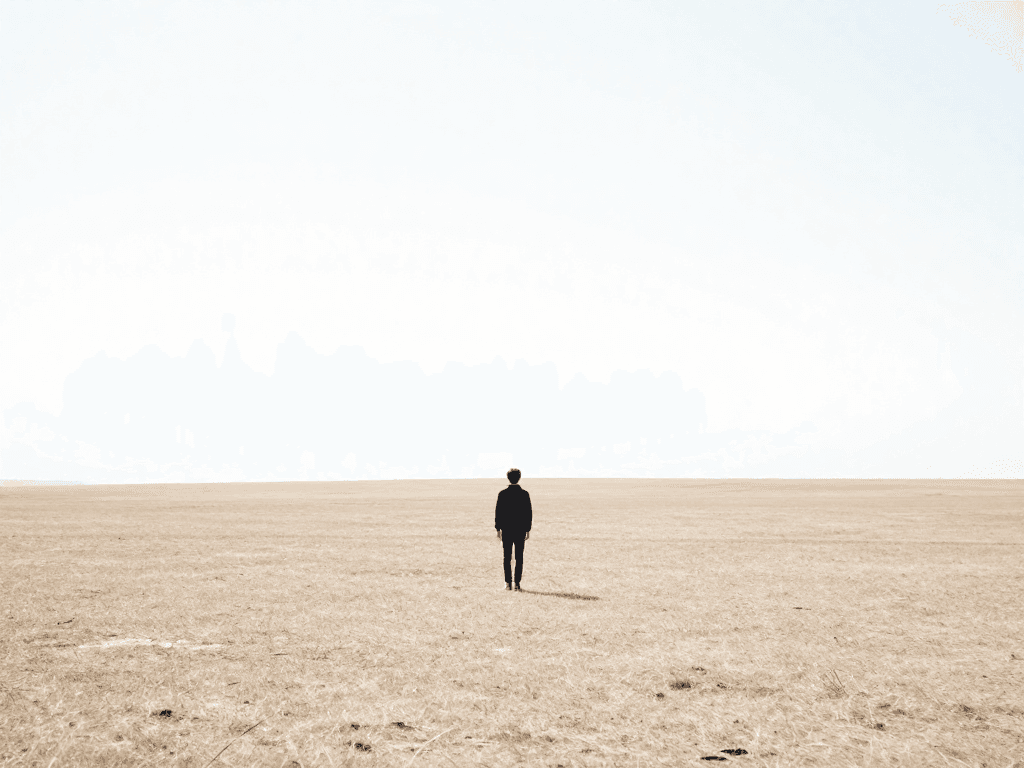 Needs Work
Without any framing elements, the subject floats in an undefined space. The image feels flat and lacks the sense of discovery.
Quick Composition Tips
- •Before you shoot, ask yourself: what is the subject? Remove anything that does not support it.
- •Try shooting the same scene from three different angles. You will be surprised which works best.
- •Use negative space intentionally. Empty areas can be just as powerful as filled ones.
- •Break the rules on purpose. Once you know the rule of thirds, centering for symmetry becomes a deliberate choice.
- •Check the edges of your frame before pressing the shutter. Stray elements at the border are distracting.
- •Shoot in odd numbers. Groups of three or five feel more natural than even numbers.